48 CE Credits—or a New Clinical Capability? Why Some Dentists Are Rethinking Continuing Education
Continuing education is simply part of being a dentist.
Throughout a career, doctors will invest hundreds of hours learning new techniques, reviewing changing standards, improving clinical skills, and meeting applicable licensing requirements.
That’s a good thing.
Dentistry evolves.
Materials change.
Technology changes.
Treatment philosophies change.
And good clinicians keep learning.
But there are two very different ways to think about continuing education.
Approach #1:
“How many CE credits do I need?”
Ready to Start Your Journey?
Please fill out the form to sign up for our Continual Education Dental Implant Course and get all the details you need to begin your training today. Don’t miss this opportunity to advance your career and offer your patients the best dental implant care available in the market today!
We take your privacy seriously and guarantee that your information will never be shared with third parties.
And:
Approach #2:
“What do I want to be able to do after I earn them?”
That second question can completely change the way a dentist chooses continuing education.
Some continuing education is appropriately designed around information.
Updates. Regulations. Safety. Diagnostics. New research. Those courses matter.
But when dentists begin investing significant time and money into advanced clinical CE, there is another opportunity.
Instead of simply collecting hours, they can deliberately choose education that builds a capability.
That might mean:
clear aligner therapy, endodontics, cosmetic dentistry, sedation, digital dentistry, oral surgery, or implant placement.
The specific procedure isn’t the point.
The mindset is.
What do I want to be capable of doing six months from now that I cannot confidently do today?
Once you answer that question, CE becomes much more strategic.
Consider Implant Dentistry
General dentists already encounter implant patients constantly.
A patient is missing a tooth. Another has a failing bridge. Someone is tired of a removable partial. A denture patient wants more stability. Another patient asks whether an implant is possible.
For many general dentists, the restorative side of implant dentistry is already familiar.
They treatment-plan the case.
Educate the patient.
Restore the implant.
But the surgical portion is referred elsewhere.
There is absolutely nothing wrong with that.
Referral is an important part of dentistry.
But some general dentists eventually ask:
“Which of these cases could I appropriately learn to treat myself?”
That’s where implant CE becomes more than a licensing requirement.
It becomes professional development with a specific destination.
Imagine Choosing CE Backward
Instead of opening a course calendar and asking:
“What looks interesting?”
Start with the outcome.
Suppose your goal is:
“I want to feel comfortable treatment-planning and placing straightforward implants in appropriately selected patients.”
Now work backward.
What would you probably need?
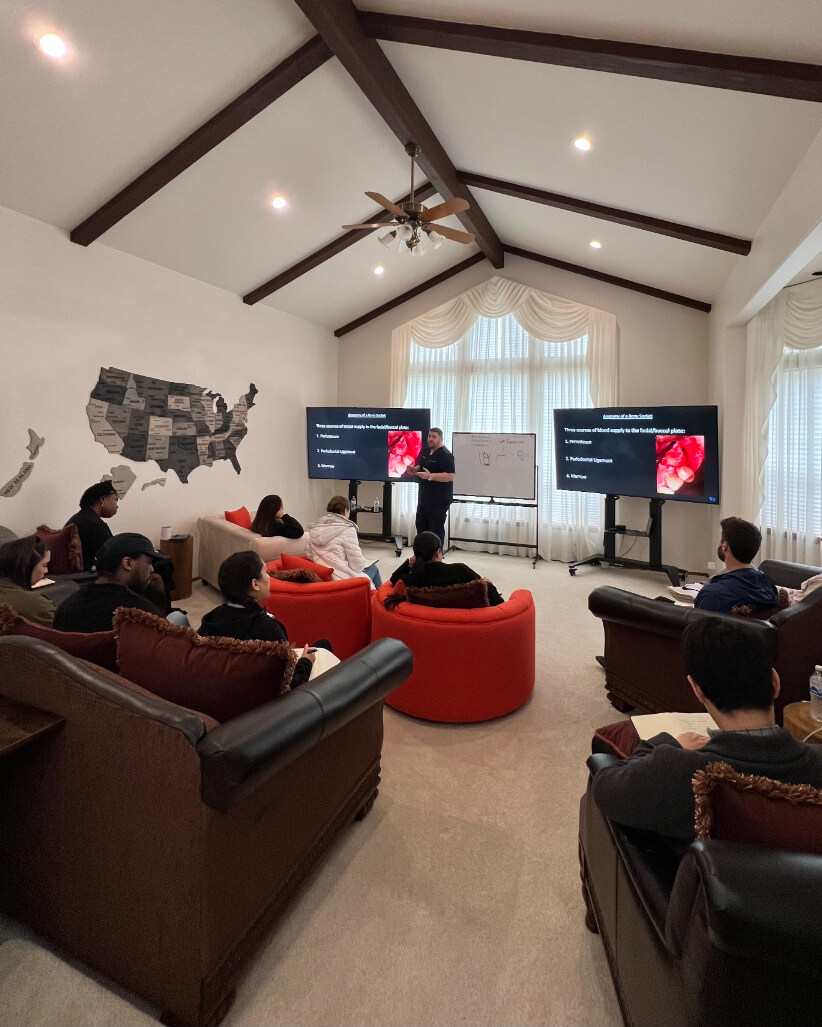
Foundational knowledge
Anatomy.
Case selection.
Treatment planning.
Implant positioning.
Restorative considerations.
Surgical protocols.
Complications.
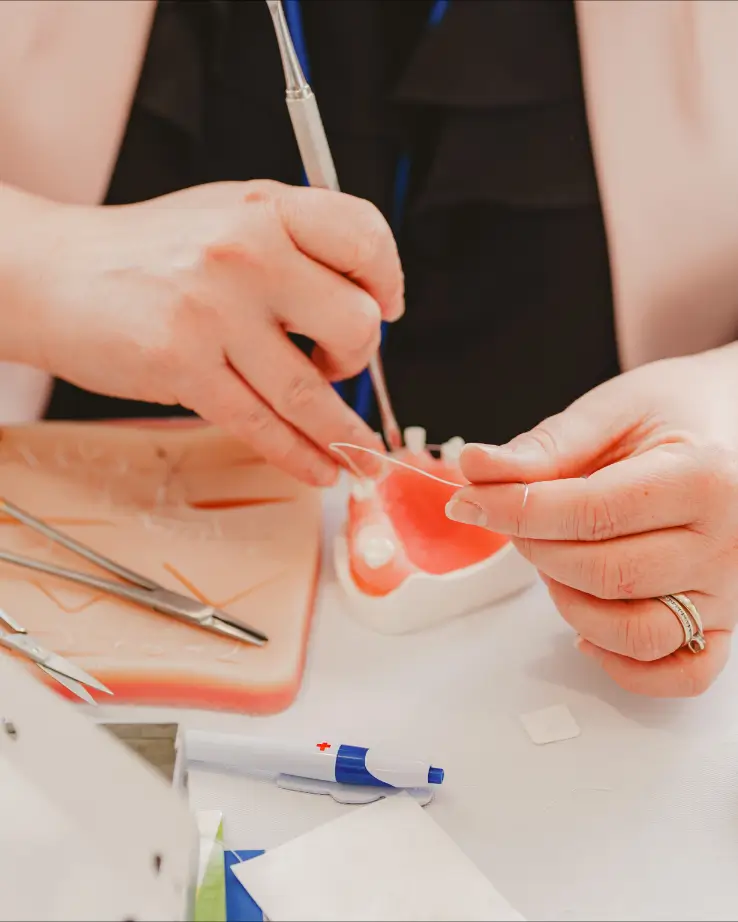
Hands-on experience
You need to hold the instruments.
Learn the drilling sequence.
Practice implant placement.
Work on suturing.
Experience grafting techniques.
Develop familiarity before treating a real patient.
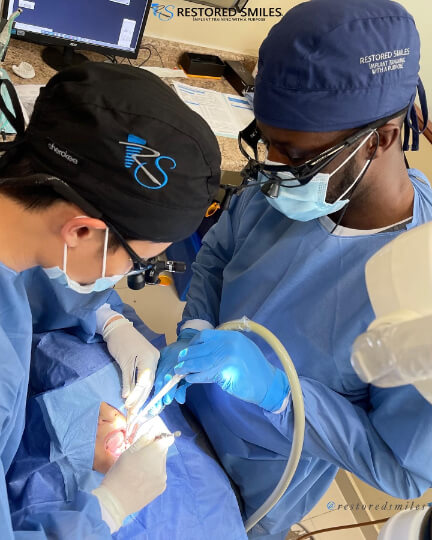
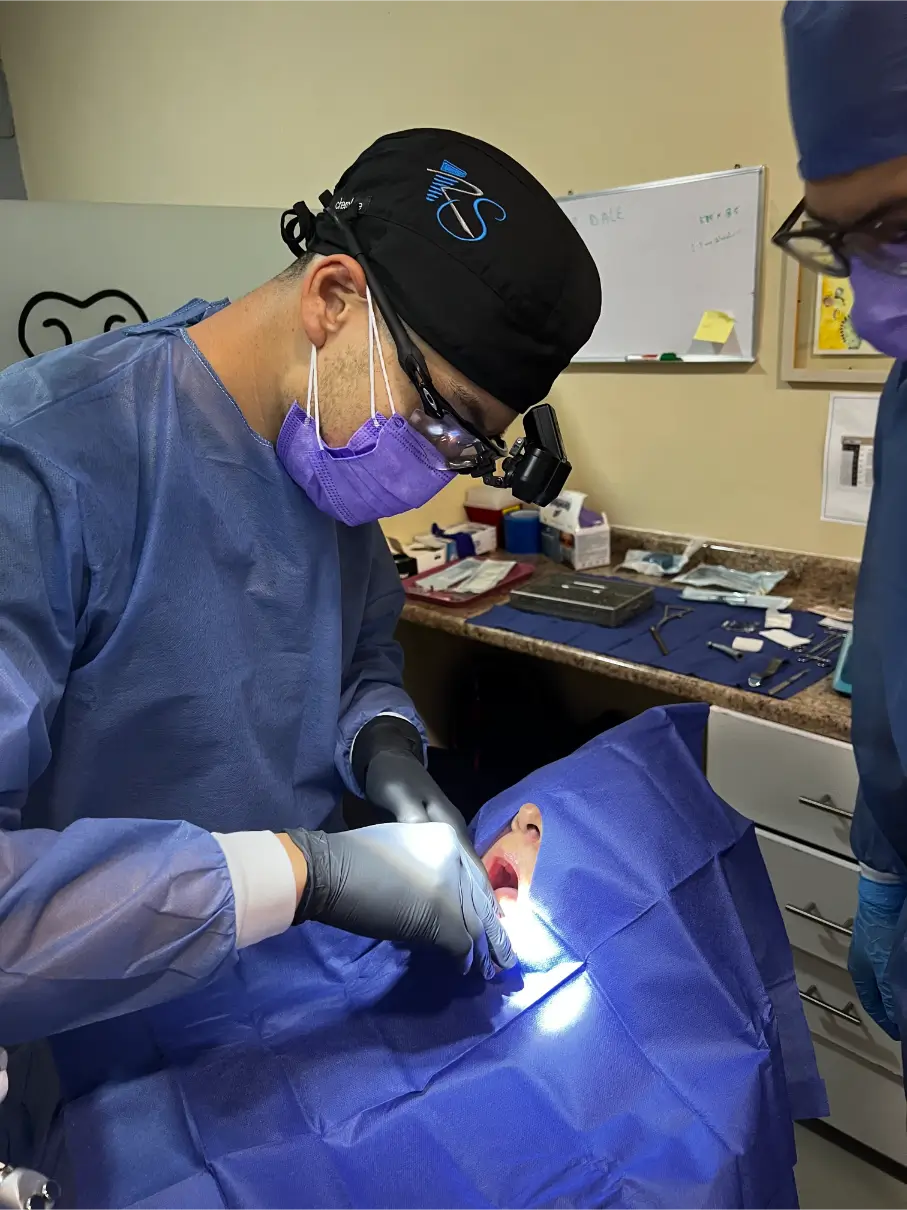
Supervised clinical experience
Eventually, you need to transition from simulation to actual patients.
Real anatomy.
Real tissue.
Real clinical decisions.
And ideally, an experienced instructor close enough to answer questions as they happen.
Mentorship afterward
Then you go home.
And your first independent case presents.
That’s when another experienced clinician can become particularly valuable.
Suddenly your CE has a destination.
You didn’t choose a course because you needed hours.
You chose hours because they were taking you somewhere.
That's a Different Way to Think About Continuing Education
Think about two hypothetical dentists.
Dentist A
Spends 40 or 50 hours taking a variety of unrelated courses.
Learns useful information.
Gets the required documentation.
Returns to practice essentially doing the same procedures as before.
Nothing wrong with that.
Dentist B
Invests those same hours around one carefully selected clinical objective.
They study.
Practice.
Treat supervised patients.
Receive feedback.
Build mentorship.
Then return home prepared to begin implementing carefully selected cases.
Same concept:
Continuing education.
Very different outcome.
The Value Isn't Just the Credits
This is where dentists sometimes undersell the value of their own education.
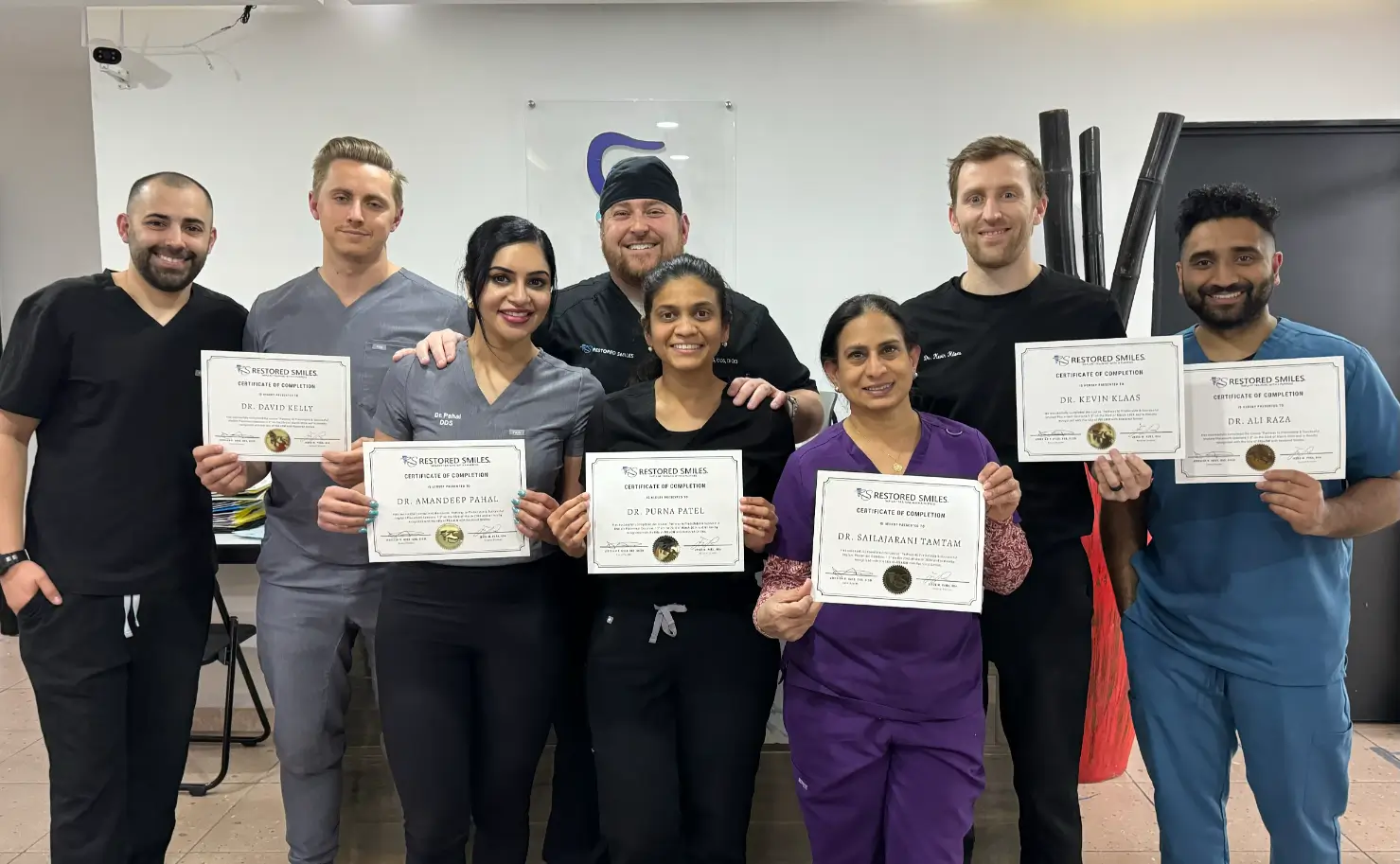
A CE certificate expires into the filing cabinet.
A clinical skill may remain useful for years.
Again, no training program can guarantee that a doctor will successfully implement a procedure.
Clinical competency depends on the individual dentist, their experience, ongoing education, case selection and patient circumstances.
But the distinction is still important.
Credits document education.
Capability is what the doctor can potentially build from it.
That’s a much more interesting return.
Why Implant Dentistry Is Particularly Well Suited to This Approach
Implant dentistry sits at the intersection of several areas a general dentist already understands:
The final stage moves into supervised live-patient surgery.
This session is limited to just six participating doctors.
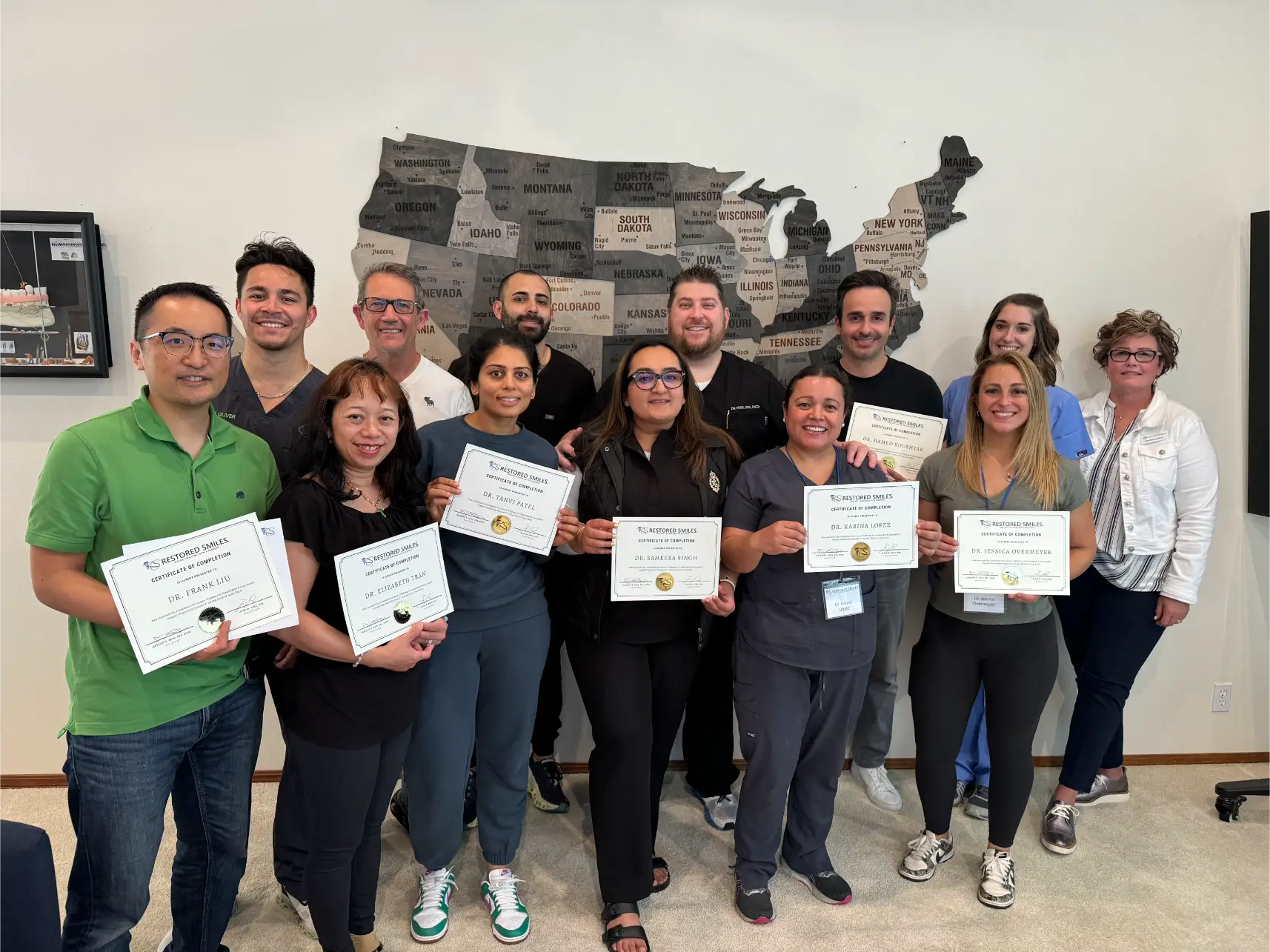
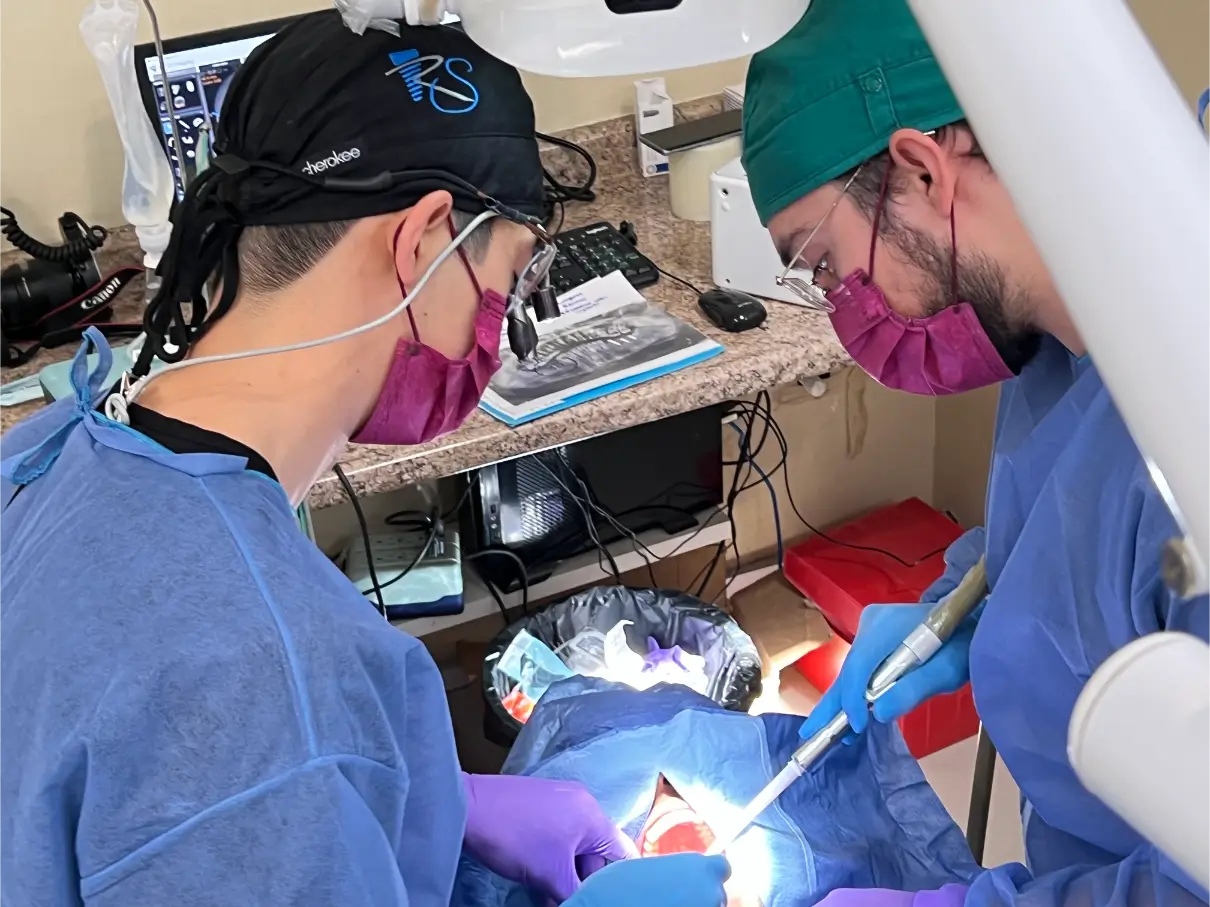
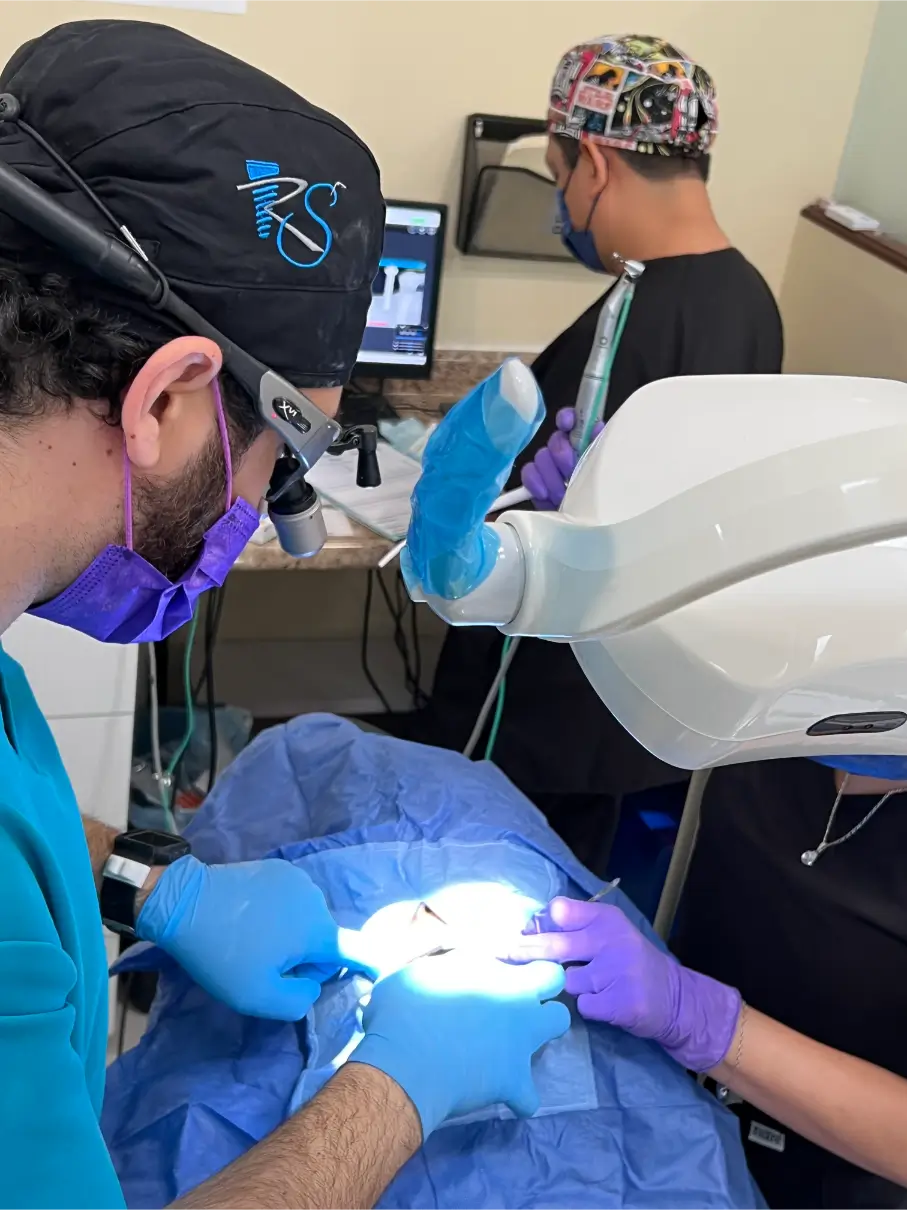
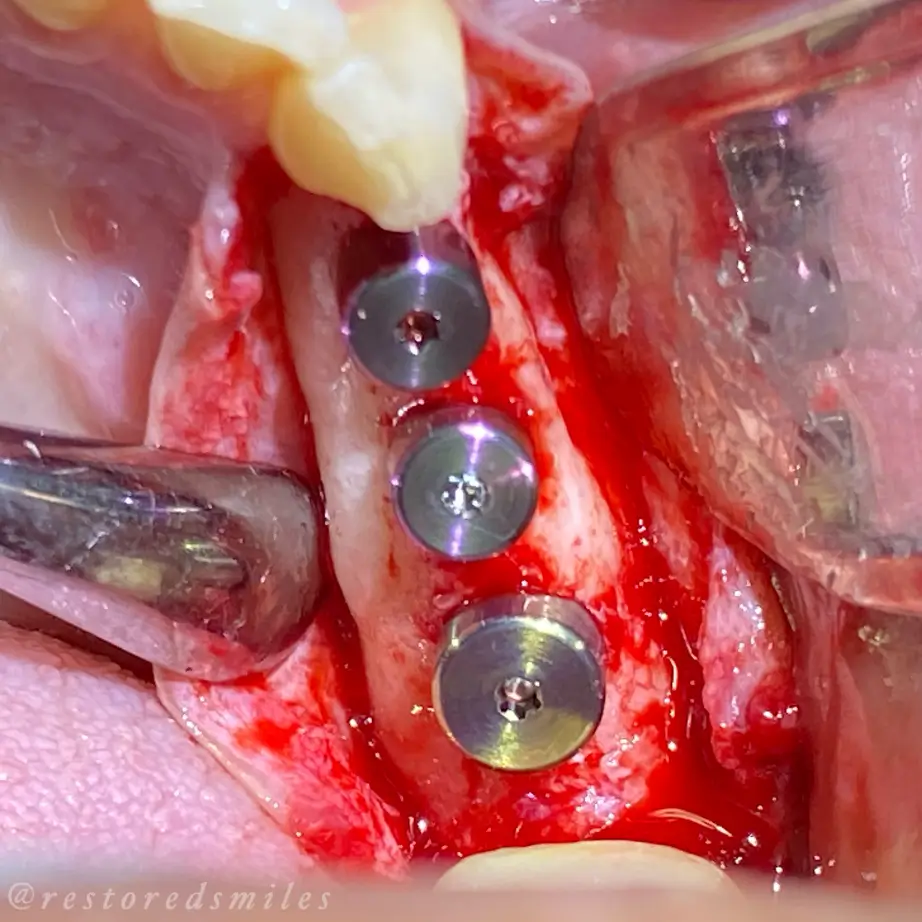
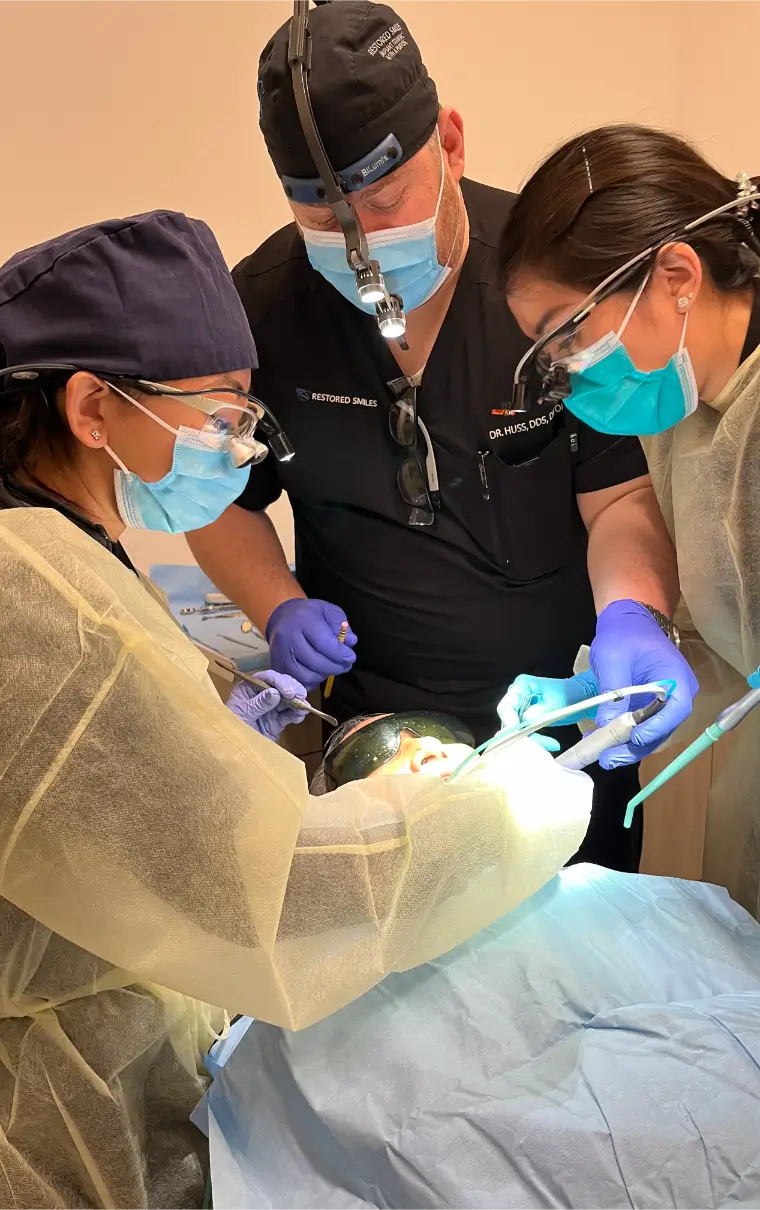
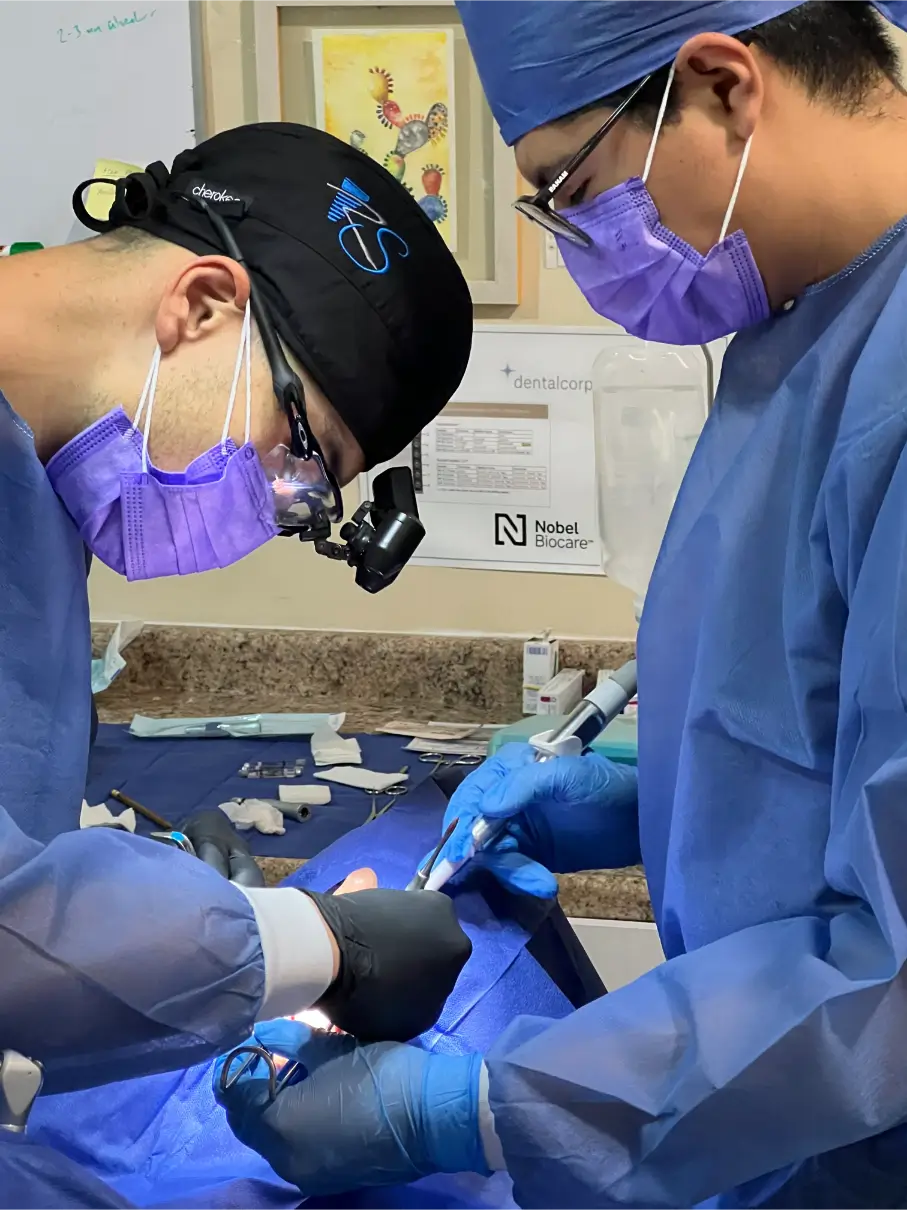
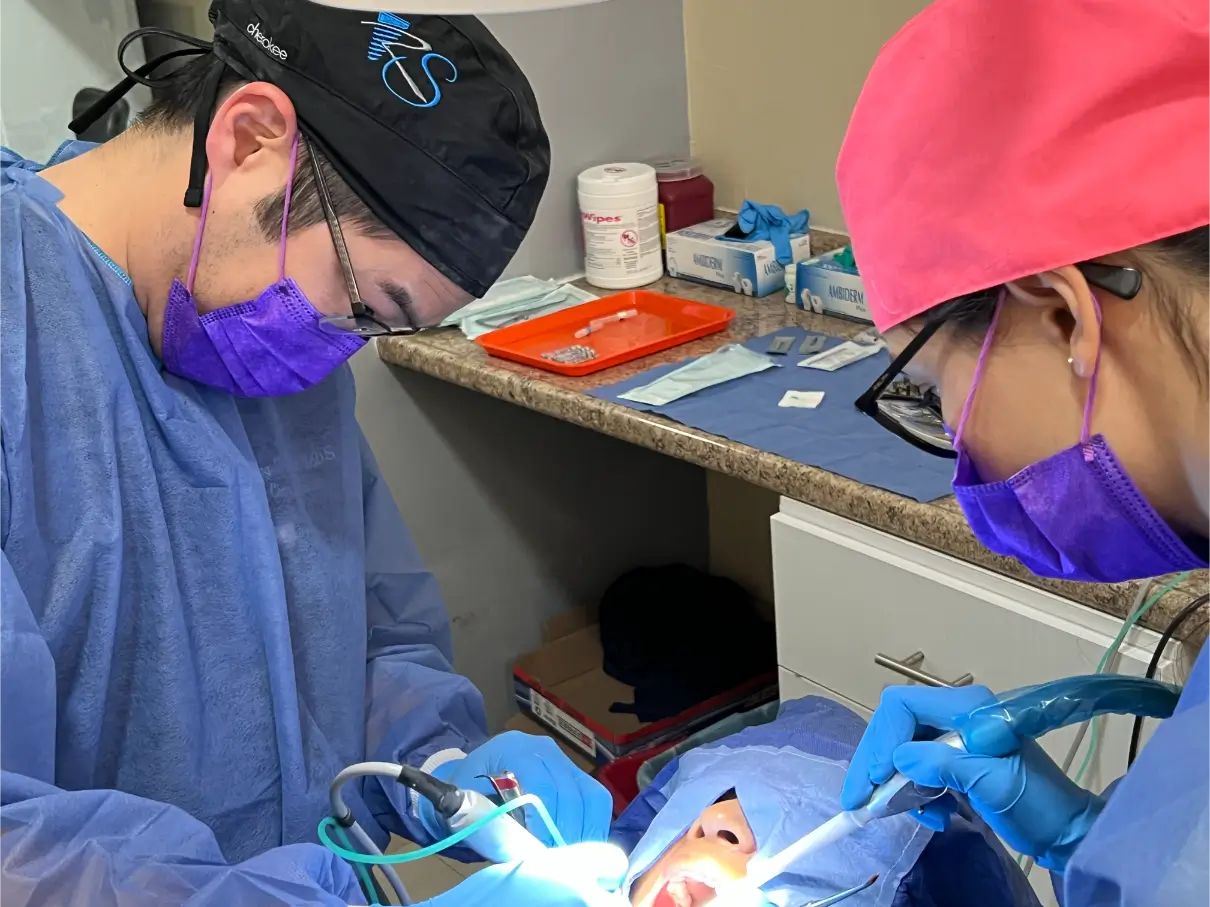
Participants spend two full days treating real patients while working with the Restored Smiles clinical team.
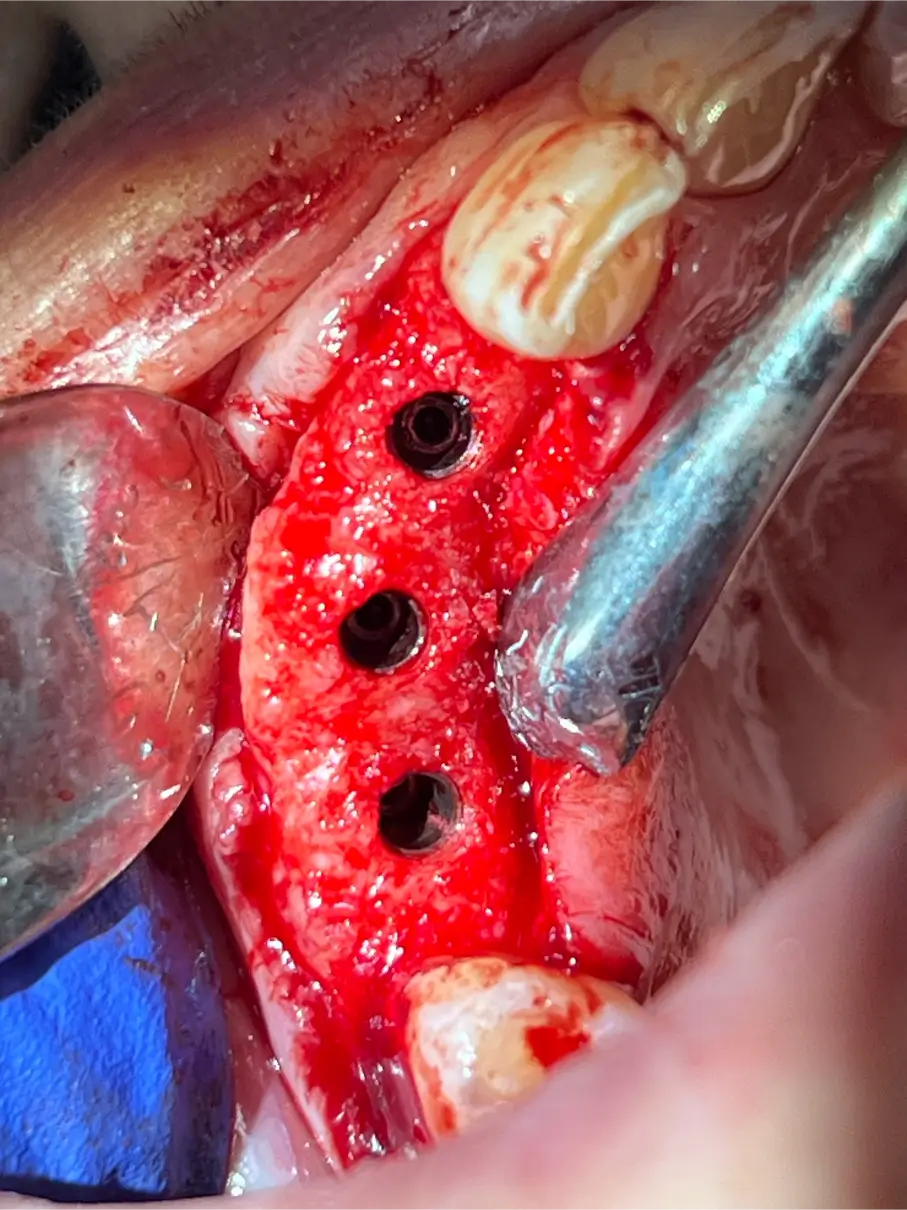
The program states that doctors may have the opportunity to place approximately 8–18 implants, depending on patient availability, clinical circumstances and participant experience.
Those numbers are not guaranteed.
But the structure matters.
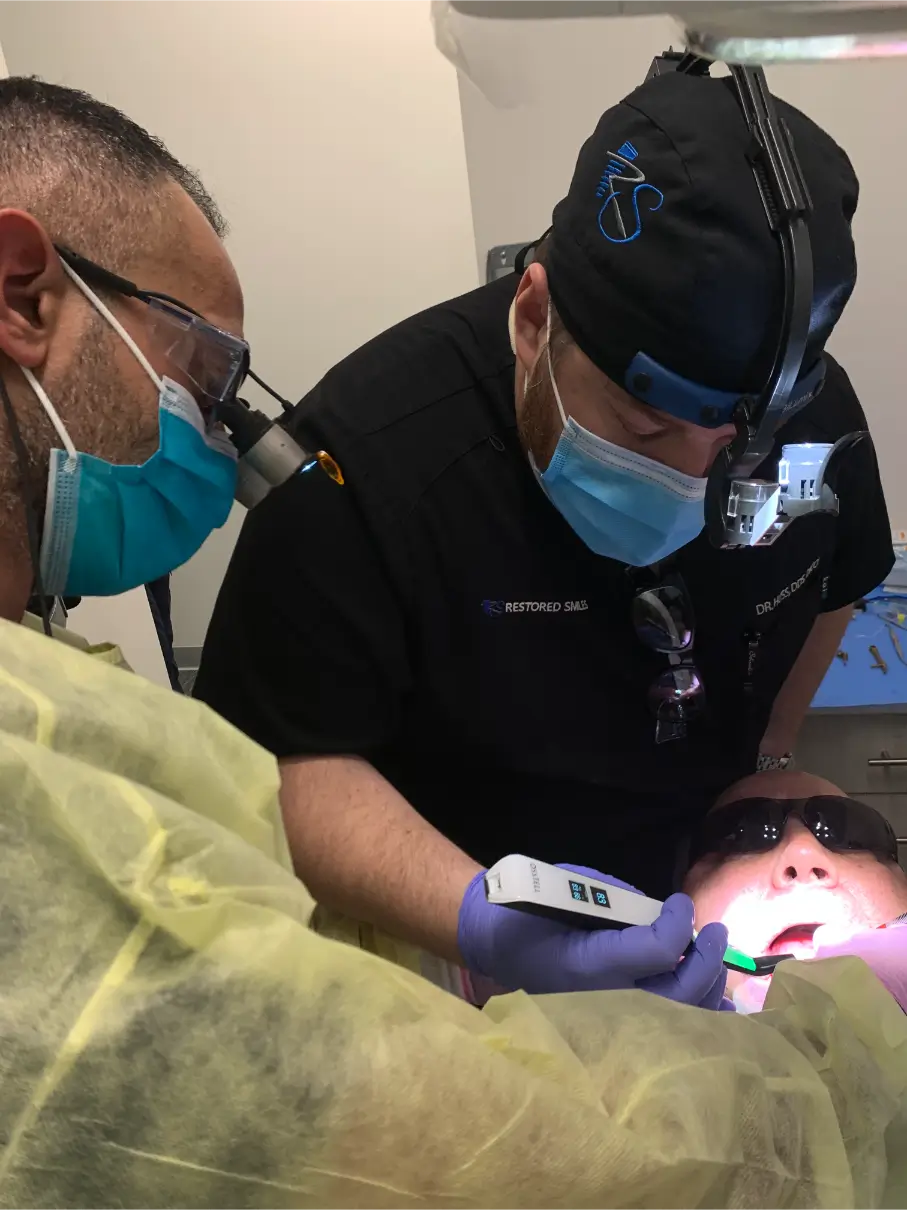
The dentist isn’t simply watching someone else operate.
They are progressing toward supervised clinical participation.
But we don’t think that’s the most interesting number.
The more interesting question is:
What happened during those 48 hours?
Did you just listen?
Or did you:
learn → practice → perform?
That’s a much better way to evaluate advanced clinical CE.
What Does This Look Like Back at the Practice?
Imagine completing implant education and returning home.
A patient presents with a missing mandibular molar.
You review the medical history.
Evaluate the CBCT.
Assess bone volume.
Consider prosthetic positioning.
And instead of immediately thinking:
“Implant. Refer.”
you can now ask a more informed question:
“Is this an appropriate case for me?”
Sometimes the answer will still be:
No. Refer it.
Great.
That is good judgment.
But sometimes the answer may become:
Yes. This is within the scope of what I’ve been trained and prepared to do.
That’s the kind of change advanced CE can create.
Not:
“I never refer again.”
But:
“I now have more options.”
And That's What Patients Ultimately Experience
Patients don’t care how many CE credits are framed on the office wall.
They care about what their dentist can help them accomplish.
Can you explain their options? Can you treatment-plan confidently? Can you coordinate their care? Can you provide the procedure appropriately? Can you recognize when a specialist is necessary?
That’s what education eventually becomes:
Better options for patients.
Maybe We Should Stop Asking, “How Many Credits?”
Try these questions instead:
What skill am I building?
Will I practice it?
Will I perform it under supervision?
Will I have mentorship afterward?
Will I know which cases belong in my chair?
Will I actually use this education when I get home?
Those questions tell you far more than the number printed on a CE certificate.
You Have to Invest in Your Education Anyway
The precise CE requirements vary by jurisdiction.
But every serious dentist understands that continuing education isn’t optional as a professional habit.
You’re going to keep learning.
You’re going to invest time.
You’re going to invest money.
You’re going to spend days away from the practice.
The question is whether that investment simply maintains where you are—
or helps build where you want to go next.
If you’re going to take CE anyway, why not build something with it?
Restored Smiles Was Designed Around That Idea
The Restored Smiles implant continuum doesn’t promise instant expertise.
It doesn’t promise that every doctor will perform every procedure.
And it doesn’t replace responsible case selection or specialist referral.
What it does offer is a structured progression:
Education.
Hands-on practice.
Supervised live-patient experience.
Small classes.
Mentorship.
And a deliberate path toward putting education to work.
For a general dentist who has been thinking about implant placement, that may be a much more meaningful way to spend 48 CE hours.
“ The greatest course I have attended so far. I lost track of how many implants I placed after my second surgical session. The amount of info and surgical skills I received from Dr. Huss was amazing. He shared all his knowledge with us and had us assist each other as we performed extractions, bone grafting, ridge augmentations, and sinus lifts. I would highly recommend this course for anyone interested in placing and restoring implants! ”
“Amazing course and even more phenomenal mentorship from Dr. Huss! I will be forever grateful for all that you have taught us and continued to do so even with the class finished. You continue to inspire us and motivate us! Thanks for all you do Dr. Huss! ”
“ Whether you’re looking to advance your surgical skills or seeking to start your implant career, Dr. Huss provides an array of coursework tailored to your needs."
“ This course was a game changer for my career. I only started this course because it was offered in my area with little expectations. However, I gained a tremendous amount of surgical training not limited to implant placement. I feel so much more confident about dental surgeries. My patients have been so much happier with GP implant options and same day implant placements. If you are looking for great implant courses, this is it! I highly, highly recommend it. Thank you, Dr. Huss!!”
“ I never thought I would be able to confidently place implants this early on into my career. Prior to taking his class, I still had reservations with surgical extractions and socket preservation. After his class, my surgical skills and confidence has increased tremendously. Dr. Huss taught me the fundamentals behind implant placement and wholeheartedly supported me to take on more challenging cases. His passion for his craft is contagious and I would recommend anybody and everybody who is interested in learning about implants at any level to join his class.”
“Dr. Huss is without a doubt one of the nicest and genuine people you will ever meet. He has a true passion for the field of implantology and cares so much for his students. Pathway to Predictable and Successful Implant Placement, by Restored Smiles, is the best course I have taken in a long time. I had minimal surgical experience before this course. Now I feel confident handling all surgical extractions, placing bone graft with the membrane, and predictable implant placement. Dr. Huss is truly one of a kind, I wish we had instructors like him in Dental School.”
"I’ve taken a CGF course before, however I didn’t feel comfortable utilizing it in my office. After taking this course, I feel confident and excited to start implementing CGF! Dr. Huss made the class practical and easy to understand."
"Dr Huss is awesome, great teacher, open and kind and friendly and he empowers you to learn. Facilities were great and the info was simplified rather than showing a bunch of complex Molecular Biology that doesn’t apply clinically."
"Fantastic course. It focuses on the real important facts in terms of case selection and atraumatic extractions. Dr. Huss is great and delivers the content with knowledge and keeps it interesting. The hands on suturing part is fun as well..."
"Great course. Dr Huss distills the information down to easily understandable and practical fundamentals. Very useful."
"Dr. Huss continues to show his passion of implant dentistry through his teachings. That has been contagious in my continuous pursuit of learning more through his course and beyond. Dr. Huss is knowledgeable, engaging, and cares about your learning. Highly recommended to anyone considering implant dentistry in any form."
"The CGF course was excellent! Dr. Huss explained the information so thoroughly that it was easy to implement right away! He is very knowledgable about the field of implantology and it shows. He is an amazing mentor who is approachable, down to earth and wants to help you be the best provider for your patients. I highly recommend this course for anyone who wants to incorporate a relatively simple yet highly effective procedure into their practice."
"I did most of my implant training with Dr.Huss. He is very passionate about teaching, shares all the knowledge he has, and the best thing ever is he is just a text or a call away to provide you with support when you work on your own. Last course I took was the CGF and bone grafting which was phenomenal."
"Dr Huss is a knowledgeable instructor. I have taken his CGF and live implant surgery classes. His classes are practical and help to build my confidence in the field of implant dentistry. I Highly recommend his classes."
"An amazing course that gives you a very thorough understanding of Ridge preservation and augmentation. Dr Huss is an amazing teacher and his experience and courses have helped me tremendously in gaining more confidence in doing more complex cases. He is quite approachable. Material is clearly directed towards anyone who wishes to successfully incorporate implants in their daily practice and with this course you can take it to a next level."
"A must take class for all who are passionate about dental implants and bone preservation/ augmentation. Dr Huss is an amazing instructor and gives great pointers on how to easily incorporate this technique into your dental practice. I have not only learnt a lot from him, but his mentoring has greatly improved my implant success rate. Thank you Dr Huss for always being available over the phone when I am stuck with a case. You are best!!"
"I’ve taken many implant and bone grafting courses over the years and still haven’t felt comfortable doing these procedures on my own until now. Dr. Huss’ course provides a learning environment that sets you up for success even in the toughest situations. I now feel confident in my case selection and execution and I know that if by chance I do get stuck he’s only a phone call away. Thank you Dr. Huss for being for so down to earth and approachable. I can’t say enough how much I appreciate everything you’ve taught me."
Before You Choose Your Next Implant Course…
We’ve also created a guide to help dentists compare training options: