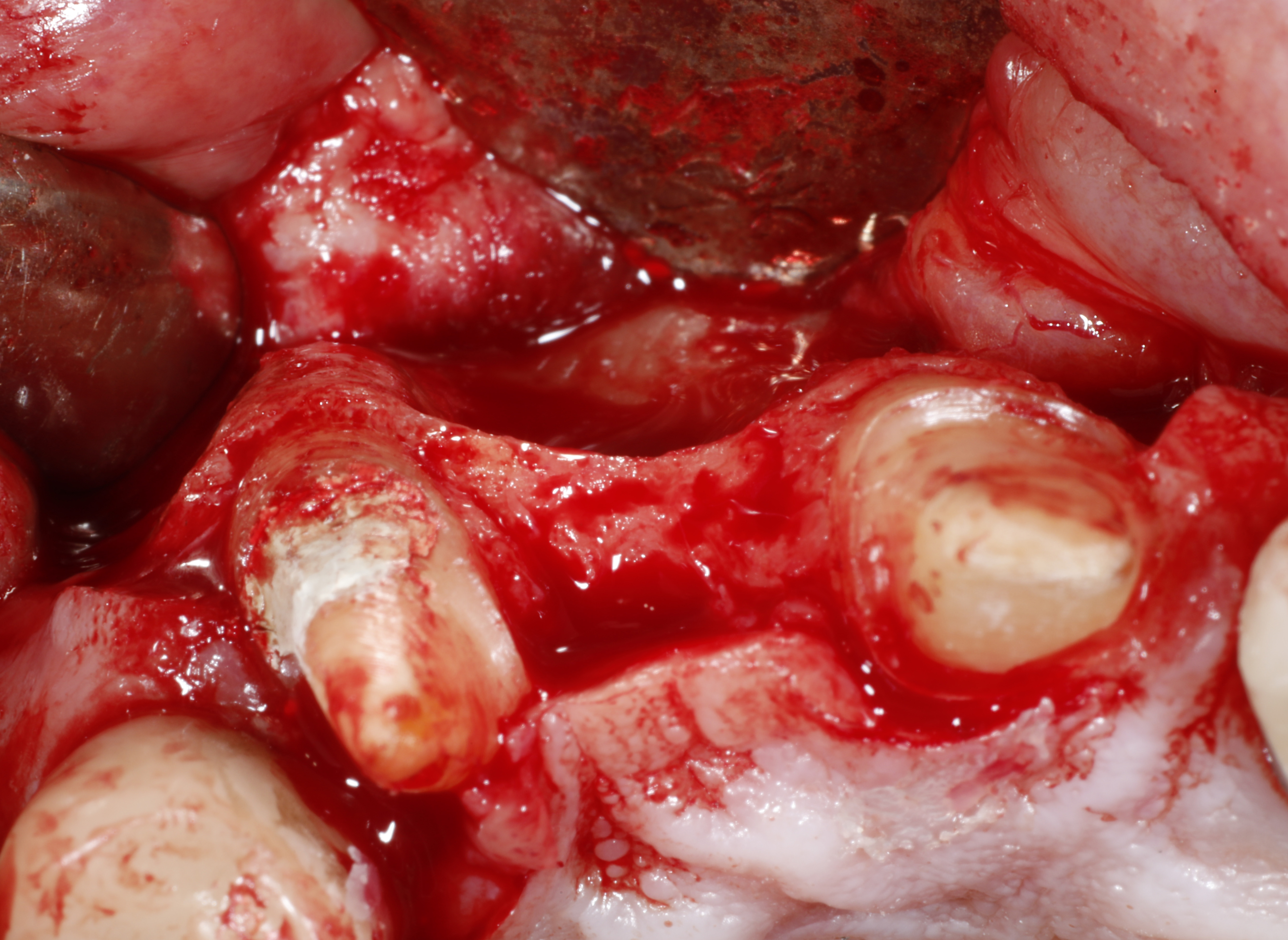
When it comes to successful ridge augmentation, bone grafting is only half the equation—the other half is managing soft tissue properly. At Restored Smiles, we emphasize this balance in our 2-Day Ridge Augmentation Hands-On Course, giving dentists the tools to not only graft effectively but also to close cleanly, safely, and predictably.
Soft tissue management can mean the difference between a stable graft and early failure. Here’s how we teach it.
A poorly designed flap can limit your visibility, compromise blood flow, or create tension that leads to wound dehiscence.
During hands-on training, you’ll learn:
💡 Pro tip: The best flap design is one you can close without tension—that’s always the goal.
Tension is one of the top reasons for wound breakdown and graft exposure.
In our course, you’ll practice:
You’ll learn to stretch without tearing—and that skill comes only with practice, which we provide on pig jaws under instructor supervision.
Not all soft tissue is the same—and not all tissue around implants is ideal. We show you how to:
This kind of detail helps you think like a periodontist, even if you’re a general dentist.
PRF isn’t just for bone—it’s incredibly helpful in soft tissue healing. Our faculty shows you how to:
Patients love it—and your wound healing timeline improves dramatically.
One of our course participants grafted a narrow ridge in the anterior maxilla and achieved primary closure using a single vertical release flap and PRF support. The graft healed beautifully, and implant placement was completed with minimal additional augmentation needed.
These case walk-throughs are part of every training day.
We don’t just teach basic suturing—we train you on suture selection and technique based on the flap type and site needs:
Flap Type | Recommended Suture Technique | Suture Type |
Envelope Flap | Horizontal mattress + simple | PTFE or 4-0 chromic |
Releasing Incision | Interrupted vertical mattress | 4-0 or 5-0 PGA |
Advanced Augmentation | Cross-mattress + anchoring | PTFE or Gore-Tex |
You’ll practice these in the lab and leave with a suturing protocol guide to use back in your clinic.
Even with the best bone graft, failure can happen if soft tissue is:
We help you prevent these issues before they happen—so your clinical outcomes are more predictable and your patient satisfaction soars.
Our instructors guide you in real-time, showing you their best techniques for soft tissue management—gleaned from thousands of real-life procedures.
This isn’t theory. This is how we do it in our own clinics, and you’ll do it right beside us.
Join our next Ridge Augmentation CE Course at Restored Smiles Ranch in Lompoc, CA. We limit attendance to ensure each participant gets personalized instruction and full access to hands-on practice.
Soft tissue management is often the most overlooked piece of ridge augmentation training—but at Restored Smiles, we make it a top priority. With the right techniques, tools, and support, you’ll leave our course confident in your ability to handle flaps, grafts, and closures with precision.