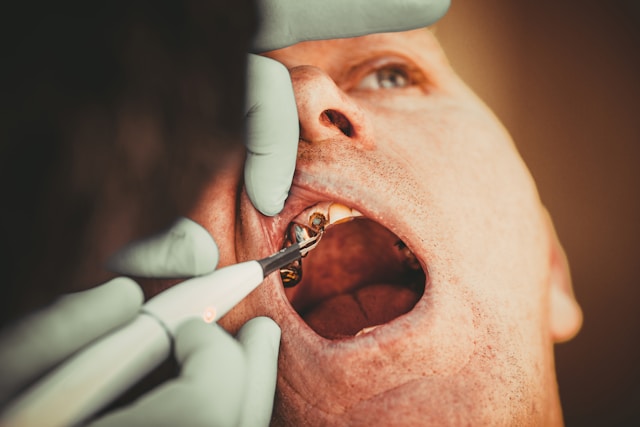
Clinical confidence is one of the biggest challenges dentists face when expanding into implant dentistry. Reading textbooks, watching videos, or completing online modules can build knowledge—but confidence comes from doing. That’s why a live patient implant course with real patients is one of the most effective ways to accelerate clinical growth.
For dentists traveling to Mexico, live patient training offers a rare opportunity to gain real surgical experience under expert supervision in a supportive learning environment. This approach doesn’t just teach technique—it transforms how dentists think, plan, and perform implant procedures.
Many dentists understand implant theory but hesitate to place implants independently. This hesitation usually comes from one thing: lack of real-patient experience.
Common concerns include:
Fear of complications
Uncertainty about surgical steps
Limited exposure to live cases
Overreliance on referrals
A live patient implant course with real patients directly addresses these issues by allowing dentists to perform procedures while guided by experienced mentors.
Practicing on models or simulations is helpful, but real patients introduce variables that no mannequin can replicate.
During a live patient implant course, dentists learn to manage:
Real anatomy and tissue response
Patient communication and consent
Intraoperative decision-making
Unexpected clinical challenges
This exposure builds confidence rapidly because dentists experience real outcomes—not just ideal scenarios.
A well-structured live patient course focuses on complete clinical immersion. Dentists don’t just observe—they actively participate in every step.
Participants begin by reviewing patient cases, learning how to assess bone quality, anatomy, and treatment options. This step strengthens diagnostic confidence and improves long-term outcomes.
Under close supervision, dentists perform implant placement procedures on real patients. Faculty guide hand positioning, drilling protocols, and implant insertion—ensuring safety and precision.
One of the biggest advantages of live training is instant correction and guidance. Mistakes become learning moments rather than long-term habits.
This structure is a key reason why live dental CE programs outperform lecture-only education.
Mexico has become a global destination for live dental education, especially for implant courses.
Key advantages include:
Access to a high volume of live cases
Supportive regulatory environment for hands-on training
Experienced international faculty
Lower overall course and travel costs
For many dentists, Mexico offers the perfect balance of affordability, quality education, and real clinical exposure.
Dentists who complete live patient implant training often report dramatic changes in how they practice.
Confidence improves because dentists:
Successfully place implants under supervision
Understand real surgical workflows
Learn to manage complications calmly
Develop trust in their own clinical judgment
Instead of wondering “Can I do this?”, dentists return home thinking “I’ve already done this.”
Clinical confidence directly impacts practice performance. Dentists who complete a live patient implant course with real patients often experience:
Increased case acceptance
Expanded in-house services
Reduced dependence on referrals
Higher patient trust
Improved long-term revenue
Patients sense confidence, and that trust translates into better outcomes and stronger relationships.
Observation-based courses allow dentists to watch experienced clinicians, but they don’t offer the same transformation.
| Aspect | Observation Only | Live Patient Course |
|---|---|---|
| Skill Practice | None | Direct |
| Confidence Gain | Limited | High |
| Decision-Making | Passive | Active |
| Readiness to Implement | Low | High |
This is why dentists serious about implant dentistry choose live patient training over passive learning.
These courses are ideal for:
General dentists new to implant placement
Clinicians transitioning from theory to surgery
Dentists seeking confidence before treating patients independently
Professionals wanting hands-on mentorship
Even experienced dentists benefit from refining technique and learning new workflows.
Q1: Is a live patient implant course safe?
Yes. All procedures are performed under strict supervision by experienced faculty in licensed clinical settings.
Q2: Do I need prior implant experience?
No. Courses are designed to support beginners and intermediate clinicians.
Q3: Are these courses accredited for CE credit?
Yes. Most live patient implant courses offer accredited CE hours.
Q4: Why are these courses held in Mexico?
Mexico allows hands-on training with real patients while maintaining high clinical standards.
Q5: Will I be ready to place implants after the course?
Most participants report increased confidence and readiness to begin placing implants in their own practices.
Confidence in implant dentistry doesn’t come from watching—it comes from doing. A live patient implant course with real patients offers the fastest, most effective path from theory to real-world success.
By combining real surgical experience with expert mentorship through live dental CE, dentists gain the confidence, skill, and mindset needed to elevate their practice.
For clinicians serious about implant dentistry, live patient training isn’t optional—it’s essential.